Ancient History · Asian History · biography · european history · history

The Trung Sisters and the use of Morality Laws in Empire      

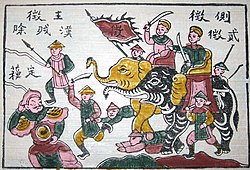
Throughout history, morality laws have been used by empires to place restrictions on society in order to create a specific image and enforce power. Many times, these laws would especially affect a specific group within the population. The post this month will compare two different ancient cultures and reveal how ancient morality laws were used to place controls on women. It will explore how these restrictions were to help create the ideal society that the leaders envisioned. In the process, some amazing heroines, The Trung sisters of Vietnam, will be highlighted. Even in the current era, morality laws can still be found. In the past decade there have been many debates which affect marriage rights, healthcare, and the choices of particular groups in our society. Many of the ancient laws that are discussed here will seem outdated, but it is interesting to compare to the discussions happening in our world today.

Continue reading “The Trung Sisters and the use of Morality Laws in Empire      “

art history · biography · european history · history

The Creation of a City of Ladies: Christine de Pizan and her Legacy


Image result for city of ladies manuscript

The female sex has been left defenseless for a long time now, like an orchard without a wall and bereft of a champion to take up arms in order to protect it…

                                                          –The Book of the City of Ladies by Christine de Pizan, 1405

Feminism in the 15th century? This is considered a rare concept during the medieval period. This was an era of serfs/lords, arranged marriages, and a time when women were viewed as little more than property. This period lacked champions to stand up to the patriarchy that dominated society. Well, such a champion did exist, though many may not have been familiar with her. She is considered France’s (even Europe’s) first profession female writer and was popular internationally. Her name was Christine de Pizan.

Christine is considered one of the first feminist figures as, through her work, she directly addresses many of the injustices her sex had been subjected to. She calls out the injustice of their treatment in a very progressive manner. This is evident in two of her most famous books, The Book of the City of Ladies and The Book of the Three Virtues. Christine’s version of feminism in the 15th century is still not like it is today (as she was still a woman of her time), but it was extremely radical for the period she lived through. I first learned about this amazing woman in an art history course in college and she has been a figure that I have wanted to highlight for a long time now. Continue reading “The Creation of a City of Ladies: Christine de Pizan and her Legacy”

American History · biography · european history · history

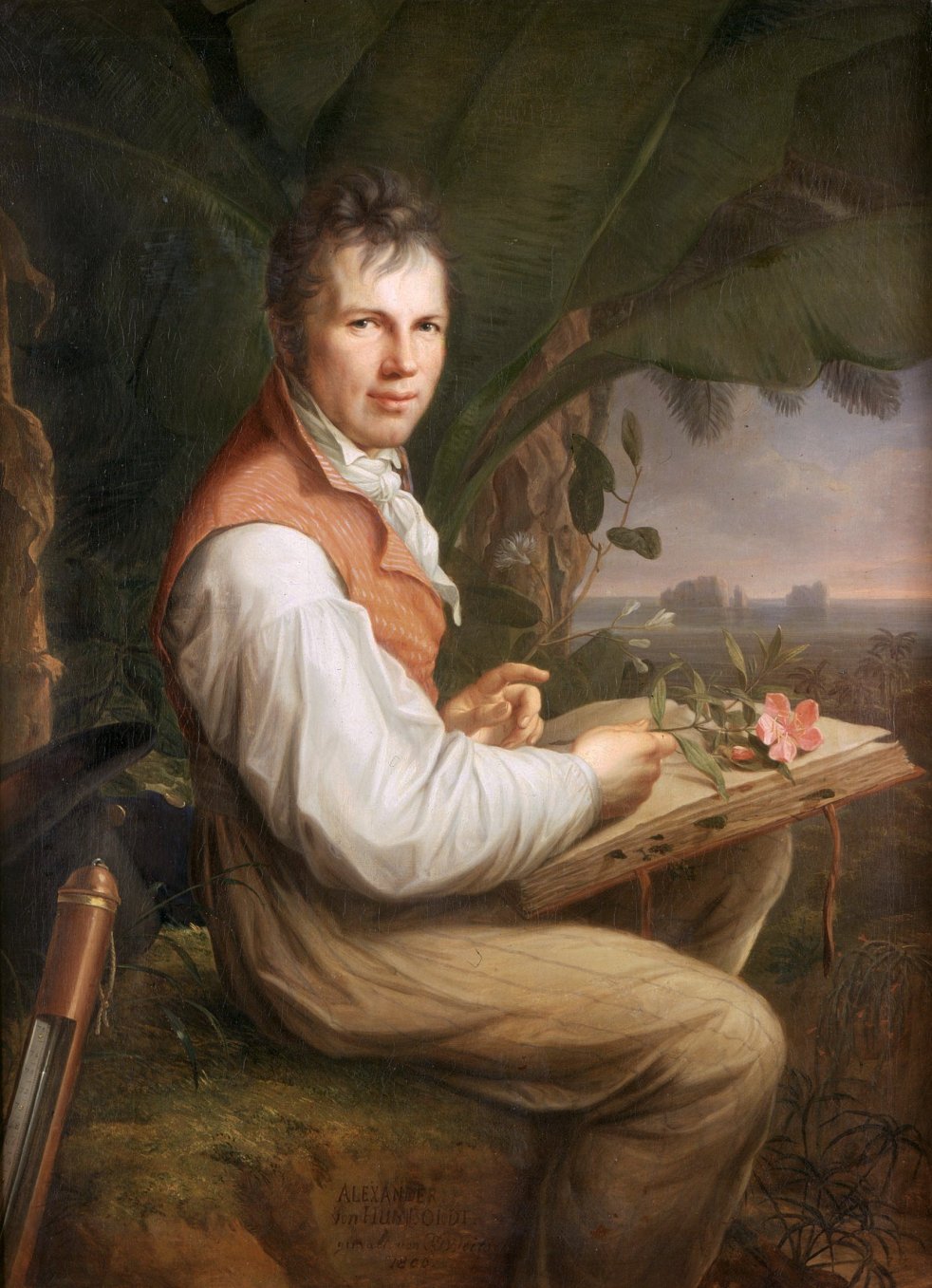
Humboldt and the Natural World

“As our planet faces irreversible global heating, politicians and scientists are throwing statistics and numbers at us, but few dare to talk about our awe for nature, or the vulnerable beauty of our planet…”

-Andrea Wulf, author of The Invention of Nature, quote from “Alexander von Humboldt, an Intrepid Scientist who Re-imagined the Natural World” HistoryExtra magazine Sept 2019 edition

Climate change is an extremely important topic in our present-day world. Greta Thurnberg’s speech at the Climate Action Summit this year has inspired as she became a social media sensation. It has inspired people who may not have been as well informed, including myself.  Yet, did you know the dangers of human induced climate change were recognized by one of the worlds most famous scientists as far back as 1800? Continue reading “Humboldt and the Natural World”

biography · english history · european history · history

Book Spotlight: The Five: The Untold Lives of the Women Killed by Jack the Ripper by Hallie Rubenhold

In this post I wanted to highlight a new book by author and historian, Hallie Rubenhold. The Five is a history that involves the now infamous story of Jack the Ripper. Jack the Ripper was a serial killer that terrorized Victorian London. In the modern area, it seems his killing spree has almost been glorified through the media and tourist attractions. It is all about Jack the Ripper, his mysterious identity, and his modus operendi. His victims are only remembered as “prostitutes”, but can any of us even recite their names?

Continue reading “Book Spotlight: The Five: The Untold Lives of the Women Killed by Jack the Ripper by Hallie Rubenhold”

Asian History · biography · european history · history · ottoman history

The Rise of Roxelana

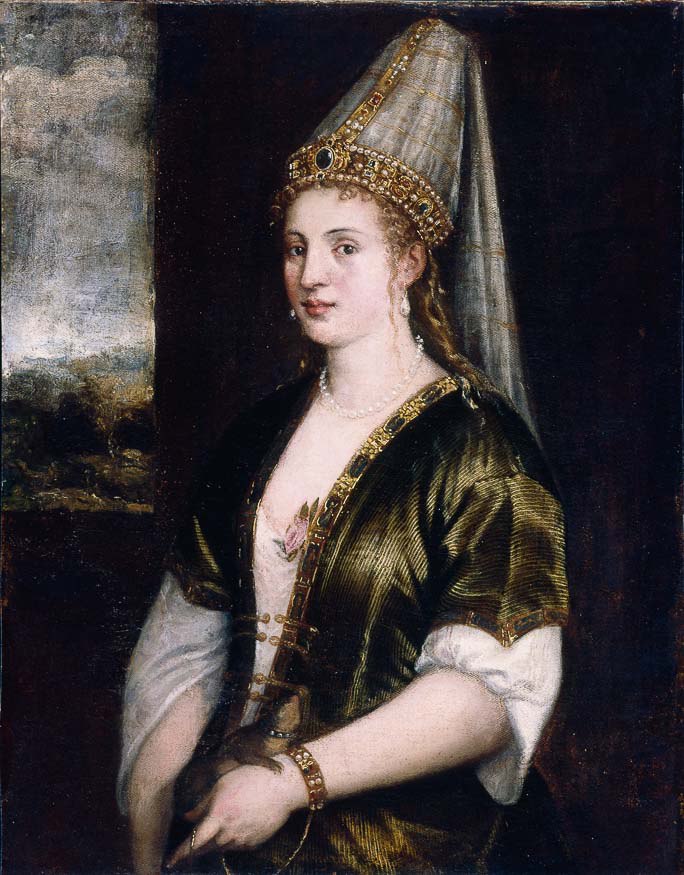
Roxelana’s notoriety has lasted long after the end of her life. Despite her status as a female slave in a patriarchal society, she would go on to make her mark in politics, break traditions, and create an example for royal women in the future of the Ottoman Empire. She also founded many charitable foundations throughout Istanbul and beyond. Roxelana would gain the title Haseki Sultan of and become the wife of Sultan Suleiman the Magnificent. To many, Roxelana may be an unknown figure in history, but she has always been a person of interest to me. I had watched the first season of the Turkish drama, Magnificent Century, and was inspired to learn more. I have been very excited to create this post and hope to bring more awareness to Roxelana’s impact in Ottoman history and women’s history.

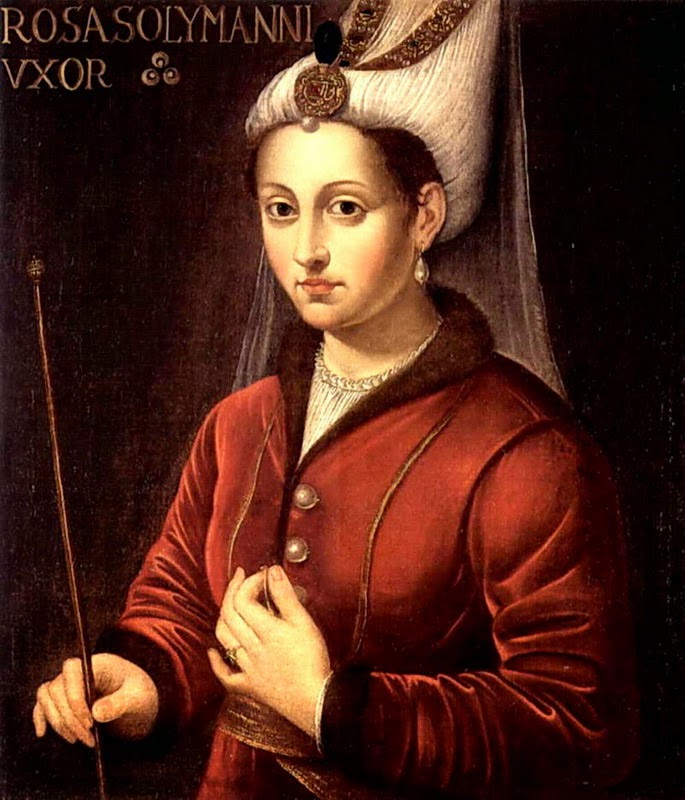
16th century portrait of Roxelana titled Rosa Solymanni Vxor

Continue reading “The Rise of Roxelana”

Ancient History · english history · european history · history

Roman Frontiers: Antonine Wall

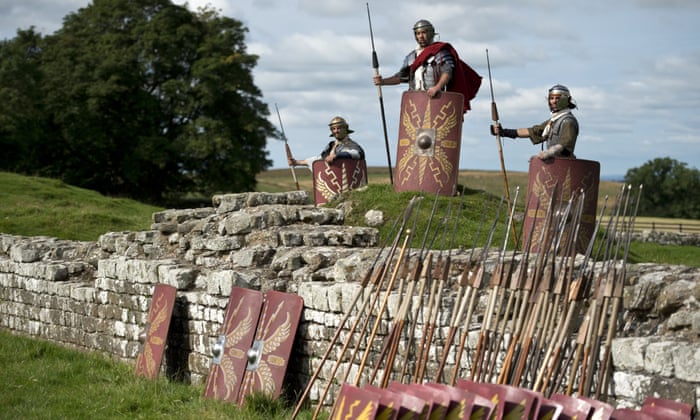
The final season of the popular show Game of Thrones is almost upon us, but much of the world that George R.R. Martin created was inspired by true events. This would include Hadrian’s Wall in England and the Antonine Wall in Scotland. These walls were the boundary of the known world for the Romans during the second century. Just as fan favorite, Jon Snow, looked out into the great unknown from atop the icy Wall, it would have been just as intimidating for the Romans who looked over these historical walls at the expanse of Scotland. They were at the edge of their known world, which could have been very intimidating. So, while there may not have been white walkers, to the Romans, there could have been anything.

Image result for the wall game of thrones
The Wall from HBO’s Game of Thrones

With this post I wanted to pay more attention to the lesser known Antonine Wall rather than the more established Hadrian’s wall. The Antonine Wall was the furthest point that the Roman empire stretched into Britannia. It was only manned for about twenty five years before the wall was abandoned. The wall cut modern Scotland in half as it crossed the land between Clyde to Forth (about 37 miles long). It was made mostly out of layers of turf rather than stone (like Hadrian’s) with a deep ditch that ran along with it. Forts would have been laid out along the wall, including Rough Castle, which would hold the 7,000 men that would have been stationed there. There would have also been a military service road that connected those at the wall with the rest of the empire in Britain. Continue reading “Roman Frontiers: Antonine Wall”

english history · european history · history

The Tradition of Courtly Love

It’s time for February’s post and I thought it would be only fitting to write a post regarding the theme of love. As I was beginning my research and narrowing down different topics I came across a most amusing book, The Art of Courtly Love, written between 1174-1184 (dates are not precise) by a clergyman by the name of Andreas Capelanus (also known as Andreas the Chaplain). Requested by his patron, Countess Marie of Champagne (daughter of the famous Eleanor of Aquitaine and her first husband, Louis VII of France), this book outlines the rules of courtly love in the guise of a lesson to Andreas’ fictional friend, Walter (who it seems has just been rejected by his beloved). Yet, there is more to it than just Capelanus’s rules. This was an important part of social life in noble circles, at least so much so that Countess Marie requested a written work on it. The work of Andreas Capelanus spread far through courts across Europe and began to be printed in the 1400s. There is debate whether courtly love was actually practiced or if it was just a literary device, but, either way, it seems to have been important to society. In this post, I wanted to dive into some of the details regarding this tradition. One of the most surprising discovers is the appeal that courtly love may have held for women of this period which is supported through the patronage of Eleanor of Aquitaine and her daughter Marie of Champagne. Continue reading “The Tradition of Courtly Love”

english history · european history · history

A Christmas to Remember: The Truce of 1914

Image result for all together now statue
“All Together Now” by Artist Andrew Edwards.

Christmas Eve, 1914

“It must have been sad do you say? Well I am not sorry to have spent it there and the recollection of it will ever be one of imperishable beauty. At midnight a baritone stood up and in a rich resonant voice sang, Minuit Chretiens. The cannonade ceased and when the hymn finished applause broke out from our side and from the German trenches! The Germans were celebrating Christmas too and we could hear them singing two hundred yards from us. Now I am going to tell you something which you will think incredible but I give you my word that it is true. At dawn the Germans displayed a placard over the trenches on which was written Happy Christmas then, leaving their trenches, unarmed they advanced towards us singing and shouting “comrades!”. No one fired. We also had left our trenches and separated from each other only by the half frozen Yser, we exchanged presents. They gave us cigars and we threw them some chocolate. Thus almost fraternizing we passed the morning. Unlikely indeed, but true. I saw it but thought I was dreaming.” -Letter from a Belgian soldier printed in The Times, 1915

World War I began in July of 1914 with the expectation on both sides that it would be a quick victory. Over the course of 51 months the war would bring a devastating death toll of 15 to 19 million soldiers and civilians. This tragic event would practically destroy a whole generation and cause much pain to the families that had to endure. It is easy to remember the death and destruction this war brought, but it is also just as important to remember the positive points. There were moments that showed there was still hope, kindness, and generosity despite differences. In the spirit of Christmas, I wanted to dive into the unusual occasion of the Christmas Eve truce in 1914. This was truly brought on by the common soldier and the truce itself was unofficial and spontaneous. The men found that despite the death, destruction and bad feelings that had surrounded them since the summer; they could take the opportunity to still share a common experience with their enemy. It seems unbelievable to us now (and definitely to the soldiers then) that Christmas Carols were sung with their enemies. These were the same enemies that had fired shoots at them the day before. This is the story and experience of the Christmas Truce 1914.

Continue reading “A Christmas to Remember: The Truce of 1914”

english history · european history · history

Will the Mystery of the Princes in the Tower Finally Have Answers?

Could the mystery of the Princes in the Tower finally be solved?

In 1674, workers (while remodeling the Tower of London) came upon two child skeletons that were hidden in box under a staircase. Instantly, to the 17th century contemporaries, these bones were assumed to have been the lost Plantagenet princes (Edward V and Prince Richard). Sir Thomas More, in his histories, wrote specifically that the princes were buried “at a stair-foot” (possibly this information came from interviews with those who lived during the time of Richard III or maybe More was just making assumptions). This was enough for Charles II who had the bones buried at Westminster Abbey where they have remained to this day.

But, these bones have never been tested. There is no proof that these were the Princes except that they were found in the last location that the Princes had lived and were bones of children. Now, there might be a chance to solve this mystery once and for all. A direct descendant of Jacquetta of Luxembourg (the prince’s maternal grandmother) has been found and has allowed a sample of her DNA to be used to test against the bones found in the tower. From what I have read, it has been very difficult search to find a direct descendant (which makes sense due to the over 500 year time gap). The only hurdle now is to get permission from Westminster to exhume the bones once again in order to complete this test. Again, from what I have read, it seems that Westminster has been unwilling in the past to allow this, but maybe with having this solid DNA sample they may be more accepting.

Continue reading “Will the Mystery of the Princes in the Tower Finally Have Answers?”

biography · english history · european history · history

Add to Your Reading List: A Testament of Youth

I suppose it is better to have had such splendid friends as those three were rather than not to have had any particular friends at all, but yet, now that all are gone, it seems that whatever was of value in life has tumbled down like a house of cards.”

-Letter from Edward to Brittain in response to the death of their friend, Victor

Image result for testament of youth real
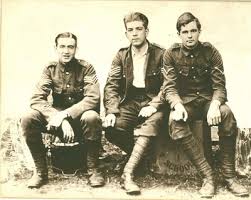
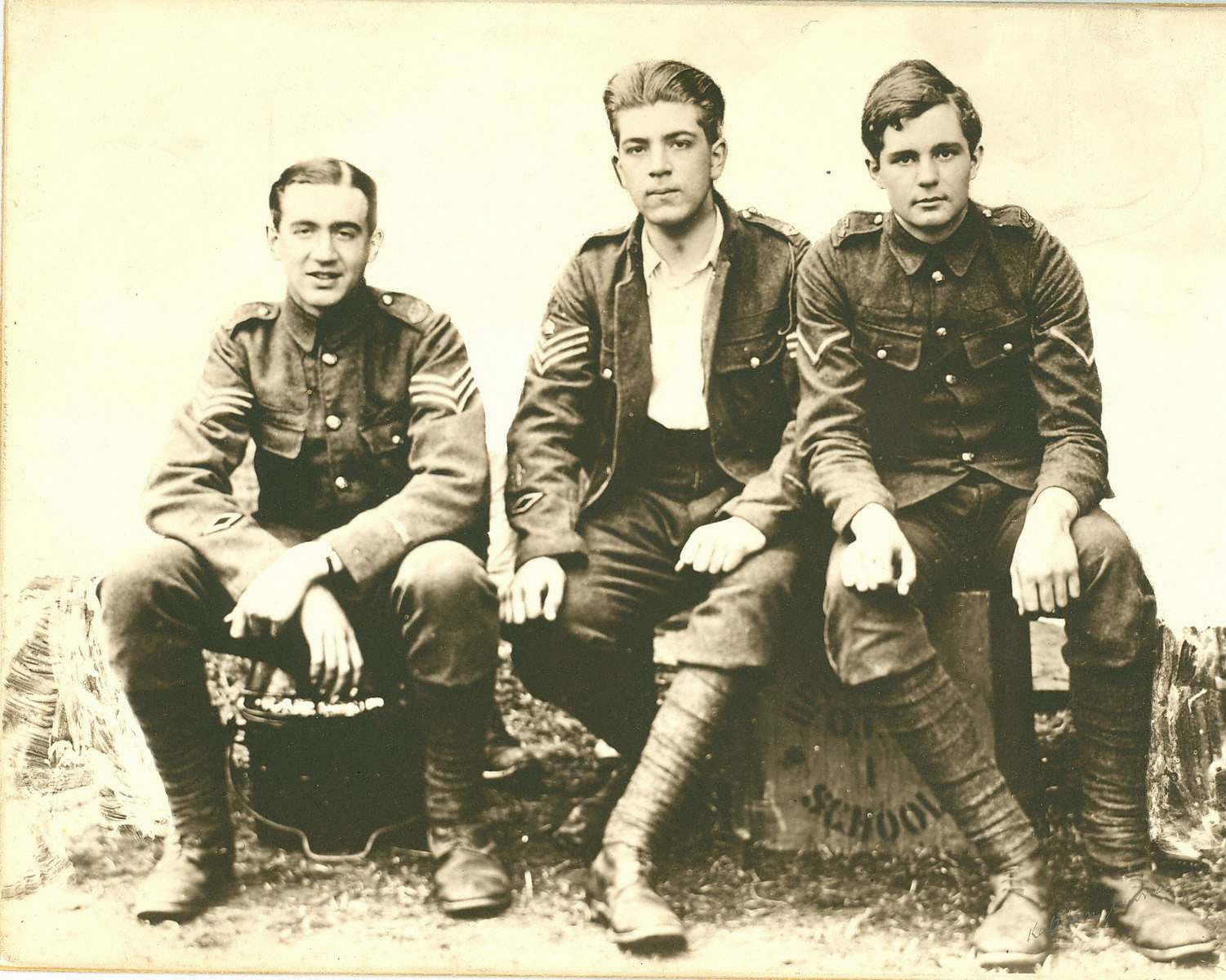
Edward Brittain, Roland Leighton, Victor Richardson

I have spent August reading a memoir from World War I, which really kept me thinking for days after. I believe this is a very important memoir and one most people should take the time to read. It is one of the few accounts from the era that is from a female point of view. Many accounts of World War I are from the men in the trenches, but what about the women they left behind? In Testament of Youth, Vera Brittain writes of her life during this era and a bit afterwards. Brittain was born in 1893 and had grown up in northern England. She had one brother named Edward and the siblings were very intelligent and talented. Brittain was very interested in furthering her education and in writing, while Edward was a musician. The two were part of a lost generation and much of the memoir focuses on how their generation was affected by a war of that scale. She discusses how the generations that came before or after could never really comprehend what they went through. They were on their own island.

Continue reading “Add to Your Reading List: A Testament of Youth”