english history · history

Meanwhile in Normandy…

Not everyone in Normandy was thrilled about Williams great idea to invade England. The Duke wanted a great number of ships to carry thousands of men across the channel, all in just a few months. Not to mention, transporting men and ships and horses on a sea journey was extremely risky, they could lose everything in one great storm. But, nothing was going to stop William and his stubborn personality was ingrained in him since he was a child.

Image result for william i

William of Normandy had actually been born a bastard (his father the Duke and his mother a commoner in the ducal household) and Continue reading “Meanwhile in Normandy…”

english history · history

The Ladies of 1066

Since the military action of 1066 was so dominant and due to the time period we are discussing, sometimes the women involved went unnoticed throughout history. Even though they were not directly involved in the physical fighting, they were present and contributed to the historic record in their own ways. With this post I want to dedicate it to three women who lived through this era and how the events influenced their lives. Continue reading “The Ladies of 1066”

english history · history

Death of Edward the Confessor

Who was Harold Godwinson?

Image result for harold II

History is told by the victors so often the story of the last Anglo-Saxon King goes unrecognized. Harold Godwinson was born in the 1020s, the son of Godwine Earl of Wessex. When he was twenty-three he became the Earl of the East Angles and began commanding naval troops along the south coast of England (believe it or not England had a great navy even during the Anglo-Saxon days). His father and King Edward the Confessor fell into disagreement and the whole family of the Godwins were exiled in 1051. In 1052, Harold led an invasion to force the King to restore their family’s power and in 1053, after Godwin’s death, Harold became Earl of Wessex (the most powerful office in England after the King). Throughout the next eleven years Harold consolidated his power and became the most powerful and wealthiest man in England. Continue reading “Death of Edward the Confessor”

english history · history

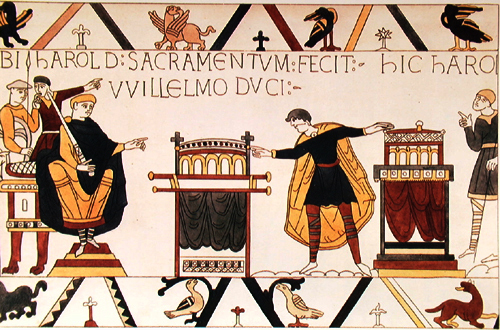
The Mysterious Oath of 1064

What was William of Normandy’s reasoning to invade England? And did he really need one?

Technically, William’s claim was the strongest being a cousin of Edward the Confessor (at least stronger than both Hardrada and Harold). In William’s youth, he apparently met Edward the Confessor while Edward was in exile (due to the Viking takeover of England), they became friends, and Edward allegedly told William that he would name him his successor when the time came. It seems young William took that to heart, which is understandable. Once he became such a successful Duke and proved to everyone he was not just a bastard; he would want to expand his territory. Continue reading “The Mysterious Oath of 1064”

art history · english history · history

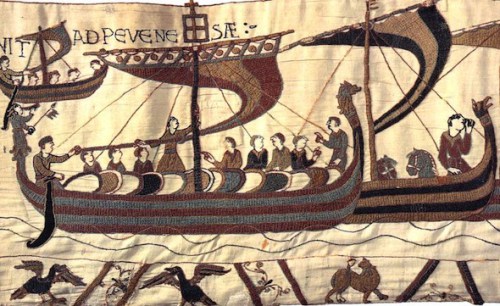
The Significance of the Bayeux Tapestry

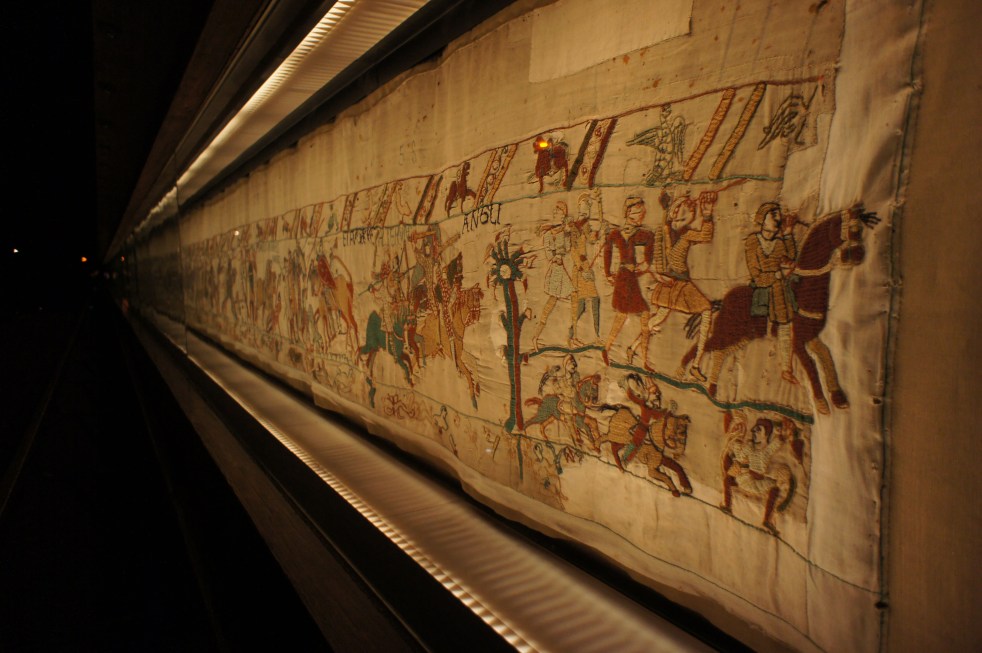
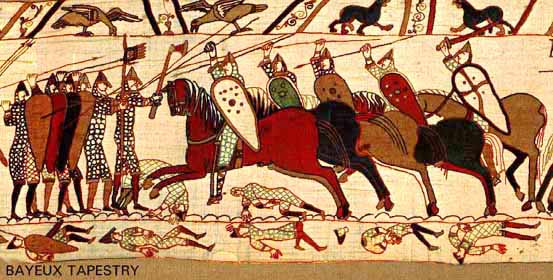
One of the most important sources of the events of 1066 is actually a piece of artwork. A beautiful embroidered tapestry, 70 meters long and 50 cm tall, depicts over fifty scenes of history. It is most commonly known as the Bayeux Tapestry and begins with the alleged oath of Harold to William and ends with the death of Harold in battle. Continue reading “The Significance of the Bayeux Tapestry”

english history · history

The Epic Week of 1066!

Since the Battle of Hastings falls on October 14th this week I was interested in doing a week study of 1066; one of the most important years in English History. In this year the Anglo-Saxon era ends and the England we recognize begins. Often times many studies of English history do not even start until the rule of the Normans. The Norman Conquest in 1066 was the last time (even to the present day!) that England was conquered by a foreign power. To me, that is incredible. William the Conqueror certainly earned his name due to the others who followed in history failed to achieve this even with modern weaponry and advancements.

Due to the Norman conquest, the development of England went into a completely different direction. Continue reading “The Epic Week of 1066!”

art history · history · Scottish History

A Study in Portrait: Charles Edward Stuart

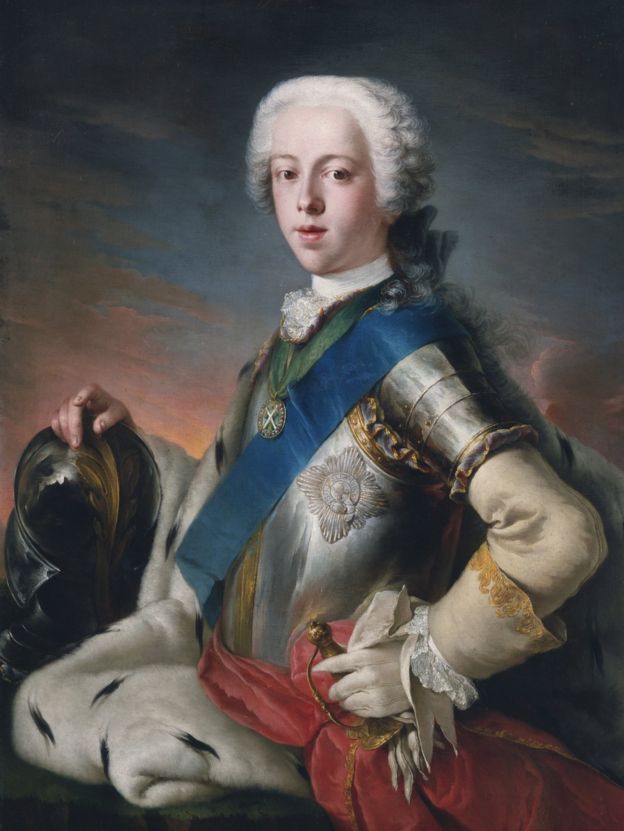
Portraits and image have always been important for those of royal status in every part of the world, especially in European history. These portraits had to show their power, their status, and, in many cases, show that they are appointed by God/higher being. I used to study art history in university as well and portraiture was always the most interesting to me. I love to study people, their stories, and the legacy they wanted to leave behind. The way a person crafts their image in portraits is a way of creating their ideal legacy, even though it may not be the truest example. Since I was writing this on Outlander Sunday, I wanted to explore the portraiture of Charles Edward Stuart (aka Bonnie Prince Charlie) who I wrote a bit about in my Culloden post about two weeks ago (Inspired by Outlander: Culloden and its Aftermath ).  Continue reading “A Study in Portrait: Charles Edward Stuart”

english history · history

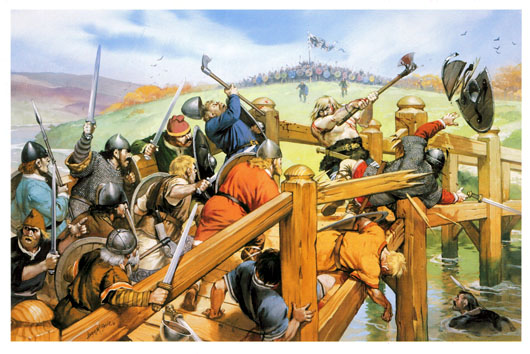
Stamford Bridge: The Last Victory of Harold II

A year in history that I find the most interesting is 1066. It is a year that changed English history and influenced the rest of European history. Also, I am a big Harold Godwinson (Harold II) fan and I think he deserves a lot more credit that what he is remembered for in history (i.e. getting killed by an arrow to the eye and losing to William). He was a good king and military leader who got put into impossible situations. Granted, he may have had some over confidence in his decision making and just plain bad luck. The whole world knew it was going to be a bad year after seeing the great comet fly through the sky (tho today we know this as Halley’s comet) providing a bad omen.

In my opinion, with just a few situations changed, the history of 1066 (and the course of English history) could have been very different.

Continue reading “Stamford Bridge: The Last Victory of Harold II”

Asian History · history

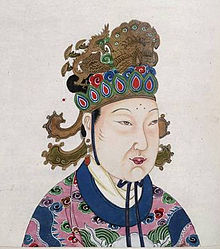
The Controversial Empress Wu

I have yet to figure out this blogs main theme, but I am looking to research what I am most interested in (European medieval/renaissance/baroque history and women’s history), but I found the Empress Wu so fascinating I had to post this blurb that I wrote about a month ago. I hope you all will enjoy!

I was listening to a podcast this month and became fascinated with Empress Wu, the only female ruler of China. She was born during the Tang dynasty and lived from 624-705. This is a very early period and it surprised me how such an ambitious woman could become the sole ruler of China and remain the only one for centuries. Wu Zetian had a very interesting life and broke many of the social norms for women during her day, but she is also remembered for her corruptness and ruthlessness when she did take power.

Continue reading “The Controversial Empress Wu”

history · Scottish History

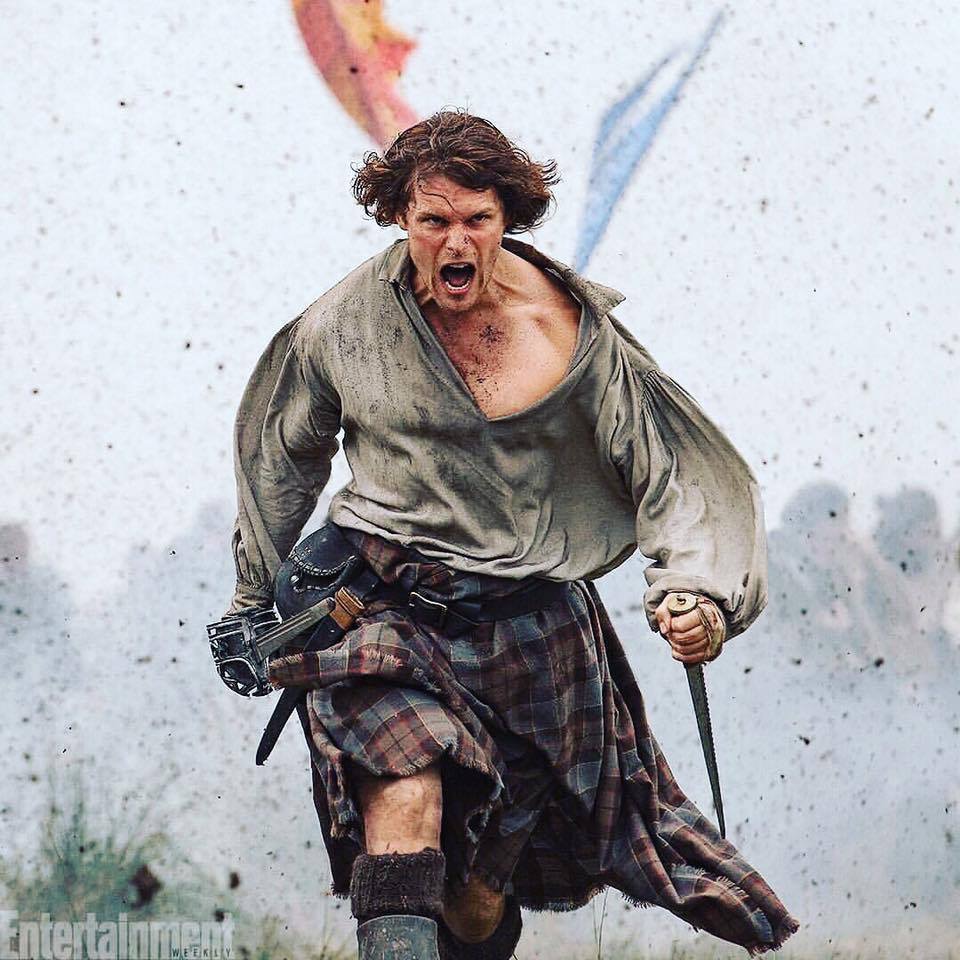
Inspired by Outlander: Culloden and its Aftermath

It probably would not surprise anyone to know that I am a huge Outlander fan. The premiere of season three featured heartbreaking scenes from the battle of Culloden and its aftermath. Apparently, it took nine days of filming and over 1,000 extras to create those intense battle scenes, though they were only in the episode for the first few minutes. I am not Scottish myself, but part of Outlander the show and the book’s influence has peaked my interest in Scottish history. I would be very interested to visit the country and the site of Culloden myself one day.

But my question today is, how did Culloden happen and how did Scottish culture change in its aftermath?

Continue reading “Inspired by Outlander: Culloden and its Aftermath”