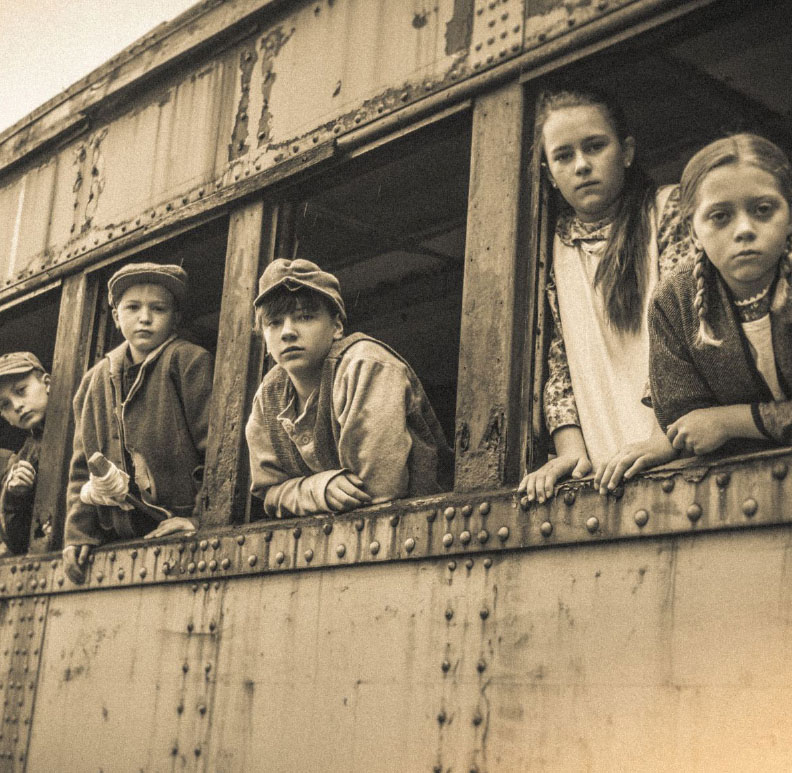
I took a bit of a hiatus from the blog as it has been difficult to find the motivation to research and write. It has been a bit of a struggle to find topics I am passionate with especially with the worries of the past year. I recently took a trip to New York City and I found a bit of that passion once again. I visited Ellis Island and it was a great museum where I learned quite a bit. One small information blurb at the museum really caught my attention. From 1854-1929 the Orphan Trains delivered about 200,000 children to different homes in the American West. I thought this was incredible and I quickly wanted to learn more.
Continue reading “The Riders of the Orphan Train ( 1854-1929)”Tag: history blog
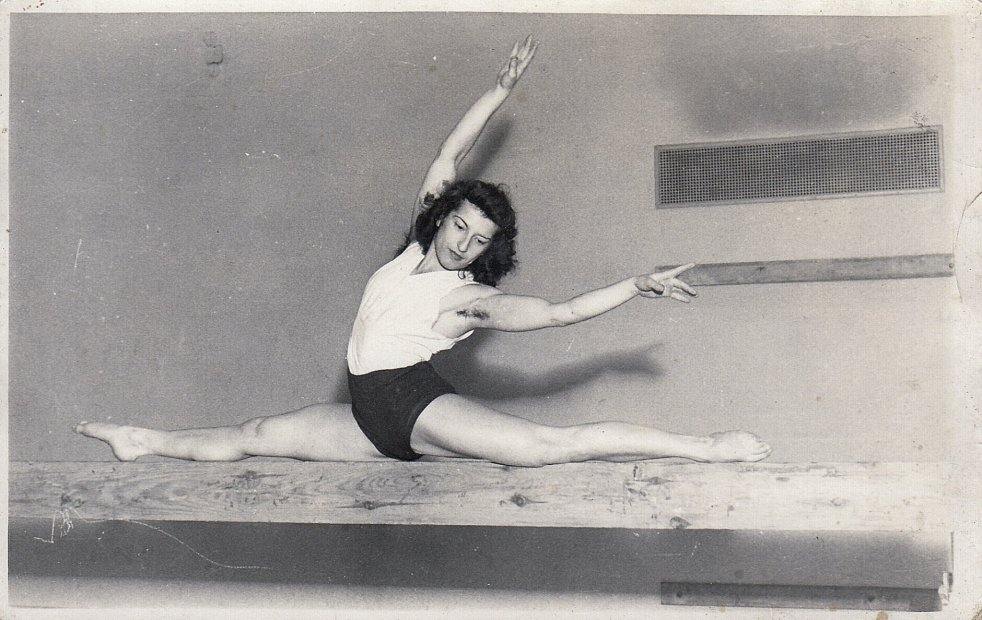
Agnes Keleti- The Amazing Story of the Oldest Living Olympic Champion
I was watching the open ceremonies for the Olympic games this past week and was introduced to an amazing woman. Agnes Keleti is the oldest living Olympic champion and turned 100 years old this year. She was a 10 times Olympic medalist and five of those were gold. She lived through a lot of difficulties during her life, but in the end she came out on top. I find her to be very impressive and I wanted to highlight her here.
Continue reading “Agnes Keleti- The Amazing Story of the Oldest Living Olympic Champion”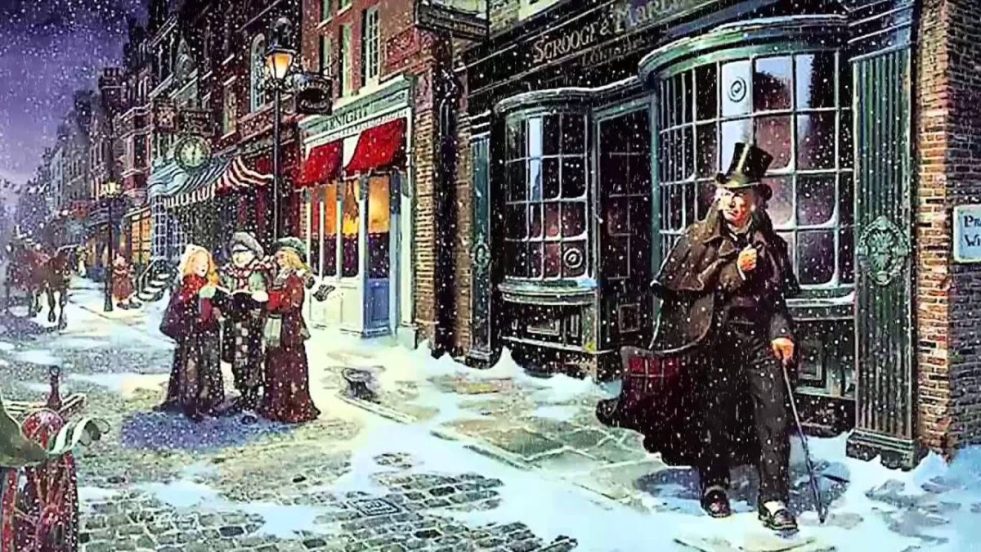
When Christmas was Banned…
The holidays this year have been a struggle. Many did not even expect the holidays would have been affected when the pandemic started in March . Gatherings will be smaller or over video chats and the holidays will not feel like the big event that they have usually been. Yet, it also gives us sometime time to focus on the things we are grateful for. Christmas could never truly be cancelled, right?
Well, actually, Christmas has been banned in previous centuries. It was banned in both the United Kingdom and early America. In 1647, Parliament decreed that Christmas was no longer considered a feast day or a holiday. This was under the rule of Parliament/Lord Protector Oliver Cromwell, who was placed in power as a result of the English Civil War and the beheading of Charles I. This regicide brought the Puritans (some of the most extreme Protestants) to the forefront of politics. Puritans believed that the whole celebration and overindulgence of the season was wrong. To them, there was nothing in the bible that stated there should be a celebration like this on December 25. In fact, the date December 25 originates from a pagan festival (the date of the winter solstice) which was just adapted to the Christian rhetoric during the early medieval era. The bible was the word for the Puritans and they had a strict adherence to it. Christmas should be like any ordinary day. There would be no large feastings, merry making, rowdy behavior, drinking to excess, decorations (idols), or any other “sinful” activities. They also disliked these traditions as they felt that the Catholic influence was still too strong on the Church of England.
Continue reading “When Christmas was Banned…”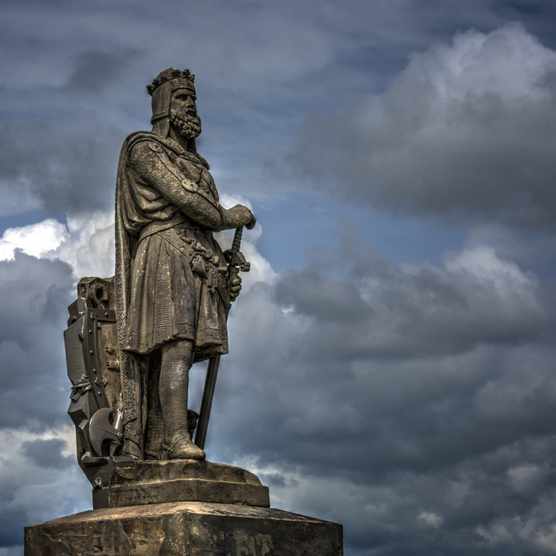
Battle of Bannockburn and Robert the Bruce (Part 3)
Part One ( The Great Cause (Part 1) )
Part Two ( William Wallace’s Rebellion (Part 2) )
In 1297, the Robert the Bruce was 22 years old. In part 1 of this series, his grandfather (also named Robert Bruce) was one of the contenders for the Scottish throne but lost to John Balliol. The Bruce family was still one of the most powerful Scottish families and were determined to see their claim to the throne fulfilled. They sided with Edward I when the first rebellions broke out. This was because they refused to back their rival John Balliol and hoped others would support their claim. Now, the young Robert Bruce, against the wishes of his father, decided to join the Wallace’s rebellion in 1297. In 1298, Bruce was named Guardian of Scotland. His rival, John Comyn (the nephew of John Balliol), was also named co-Guardian. The men disliked each other and again were beginning to split into factions, just like their previous relations. Yet, despite these factions, in 1302 Edward received oaths of allegiance from all parties. Was young Robert the Bruce going to honor this oath?
Continue reading “Battle of Bannockburn and Robert the Bruce (Part 3)”
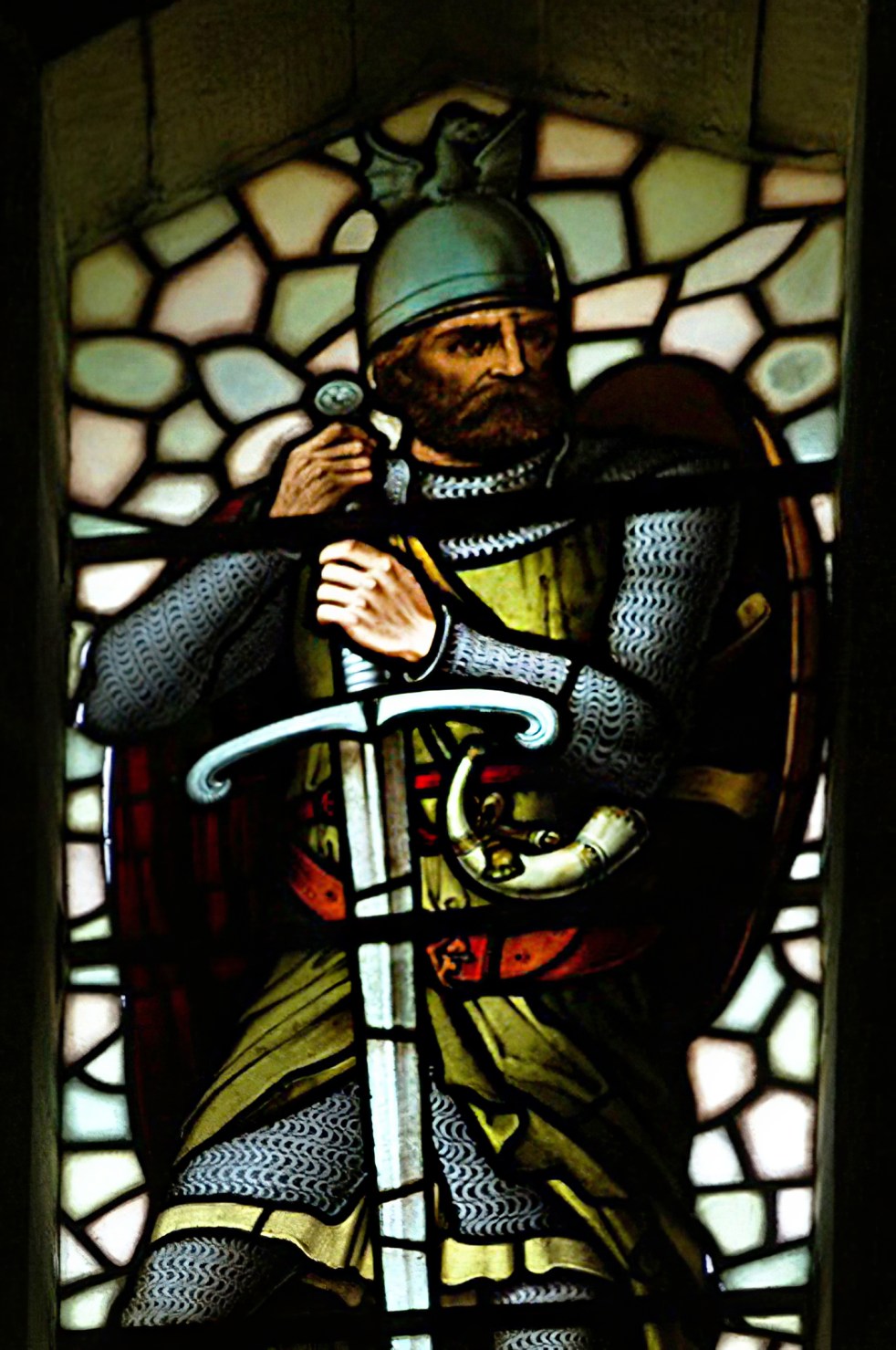
William Wallace’s Rebellion (Part 2)
In part one of this series (The Great Cause (Part 1)), Edward I had forced the Scottish nobles and their King to swear an oath of allegiance to him as their “overlord”. As he believed he had finally subjugated Scotland, the English king attended to affairs in other parts of his kingdom. After the betrayal of John Balliol and a failed rebellion, Edward I completely occupied Scotland. He sent soldiers to ensure his rule would continue. The people of Scotland were taken advantage of and abused under this military occupation. Scotland needed a new champion to take up their cause for freedom. Their nobles had failed them with their infighting and military defeats, so it was time for one of their own to pick up his sword.
William Wallace’s background is hazy and was thought to be the son of a minor feudal lord in Renfrewshire or Ayrshire. He seems to have grown up with military training which contributed to his later success. He was a very tall man . He was over six feet when the average male height was about 5’6” (though this physical characteristic was highly exaggerated in legends). Walter Bower (author of the Scotichronicon) describes him as having “a certain good humour, had so blessed his words and deeds with a certain heavenly gift, that…he won over to himself the grace and favour of the hearts of all loyal Scots.” Bower also described him as “fair in his judgments”, compassionate, patient, and a skilled orator. Yet, English sources would describe him as “a vagrant and a fugitive”, a “bloody man”, and “a chief of brigands” (Morris, pg 303).
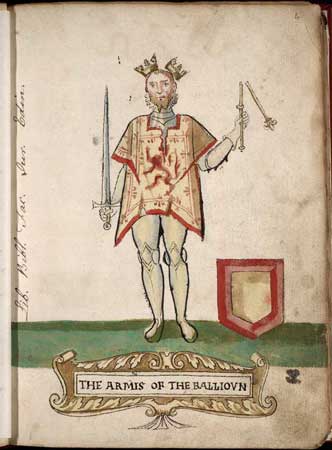
The Great Cause (Part 1)
This month I was supposed to be travelling to Scotland with one of my best friends. Scotland has been a dream trip of mine for a while, but it seems 2020 had other plans for me and so many others in similar situations. I hope to re-schedule, but, in the meantime, I would love to share some Scottish history in a new three-part series. This series will focus on the First Scottish War of Independence (1296-1328). This was a time that was filled with fascinating characters, intriguing military battles, and cunning tactics. On the English side, we have Edward I, “The Hammer of the Scots”. Edward was one of the strongest monarchs in English history, but also has a reputation of being a tyrant. Later, his weaker son, Edward II, will struggle to carry on his father’s legacy. There are some familiar names on the Scottish side such as: William Wallace and the legendary King Robert the Bruce. Along the way there will be a sprinkling of minor characters, including a brilliant sneaky re-capture of Edinburgh by Thomas Randolph, Earl of Moray. I am greatly looking forward to this series and I hope it will provide an interesting read!
In 1286, Alexander III of Scotland died and ended what had been considered a golden age of the Scottish kingdom. At 45 years old, King Alexander decided to risk it all and take a dangerous ride through a stormy night in order to spend the night with his new young bride of twenty-two years old. The next morning, he was found dead at the rocks at the bottom of a cliff. It was a disaster for Scotland as Alexander III had survived all his children and his new young wife had not yet produced an heir. With the throne up for grabs, powerful factions began to form which threatened the stability that had been a constant in the prior Kings reign. The main players were John de Balliol and Robert Bruce (senior, his grandson will become the more famous Bruce). Rebellion and civil war threatened Scotland due to the succession crisis and infighting between the two factions.
New Decade, New Goals, and Anniversaries
2020! We have entered into a new decade and it feels like a clean slate. What will happen in the next ten years? How will we change in the next ten years and what will we accomplish? I find it interesting to ponder these questions.
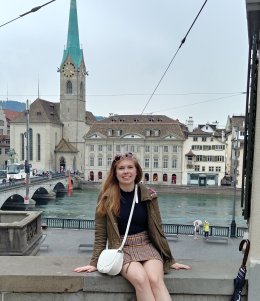
In 2019, I am most proud of the amount of traveling I did. I traveled overseas to Europe for the first time and was able to experience much of the history I read about first hand. I traveled to the west coast of the United States for the first time as well. I already have booked a trip to Scotland with a friend for 2020 and hope to explore even more! The cover photo is a picture of me taken in Zurich, Switzerland.
Returning to the present, I am proud of the work I did on the historynavigator blog in 2019. My goal was to become more consistent and create a post every month. Though I missed two months (one of those months was consumed with my travels to Europe and the other was just laziness), I was still more consistent than 2018. This year I hope to do better and make all 12 months. It is definitely difficult to find the time to do the research and even just figure out topics with work, life, and changes happening. This year, I want to make time to think of these things in advance and start my reading in advance. Is there any topics that you would be interested in me researching ?

The Creation of a City of Ladies: Christine de Pizan and her Legacy

“The female sex has been left defenseless for a long time now, like an orchard without a wall and bereft of a champion to take up arms in order to protect it…”
–The Book of the City of Ladies by Christine de Pizan, 1405
Feminism in the 15th century? This is considered a rare concept during the medieval period. This was an era of serfs/lords, arranged marriages, and a time when women were viewed as little more than property. This period lacked champions to stand up to the patriarchy that dominated society. Well, such a champion did exist, though many may not have been familiar with her. She is considered France’s (even Europe’s) first profession female writer and was popular internationally. Her name was Christine de Pizan.
Christine is considered one of the first feminist figures as, through her work, she directly addresses many of the injustices her sex had been subjected to. She calls out the injustice of their treatment in a very progressive manner. This is evident in two of her most famous books, The Book of the City of Ladies and The Book of the Three Virtues. Christine’s version of feminism in the 15th century is still not like it is today (as she was still a woman of her time), but it was extremely radical for the period she lived through. I first learned about this amazing woman in an art history course in college and she has been a figure that I have wanted to highlight for a long time now. Continue reading “The Creation of a City of Ladies: Christine de Pizan and her Legacy”

Book Spotlight: The Five: The Untold Lives of the Women Killed by Jack the Ripper by Hallie Rubenhold
In this post I wanted to highlight a new book by author and historian, Hallie Rubenhold. The Five is a history that involves the now infamous story of Jack the Ripper. Jack the Ripper was a serial killer that terrorized Victorian London. In the modern area, it seems his killing spree has almost been glorified through the media and tourist attractions. It is all about Jack the Ripper, his mysterious identity, and his modus operendi. His victims are only remembered as “prostitutes”, but can any of us even recite their names?
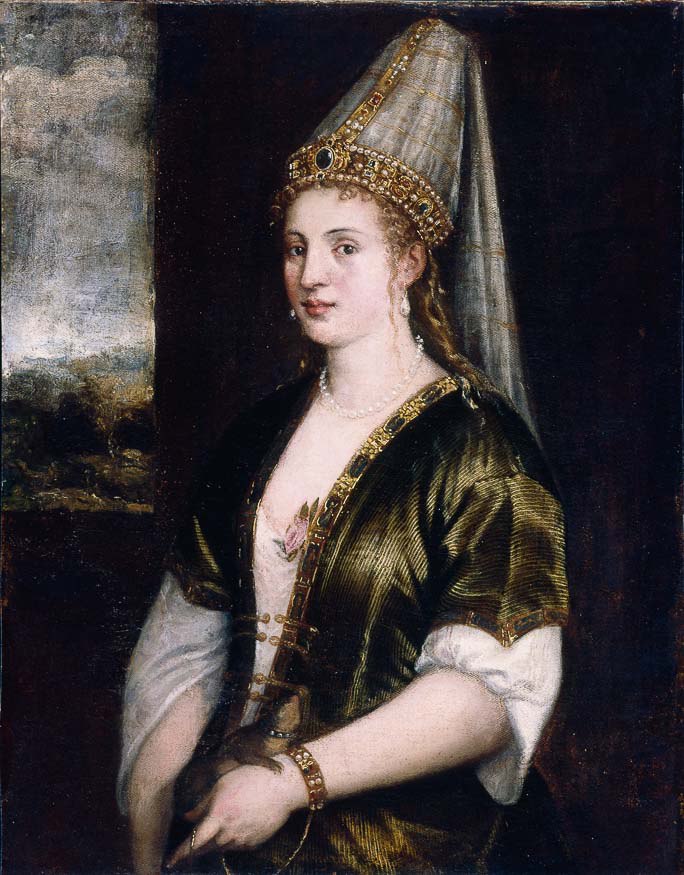
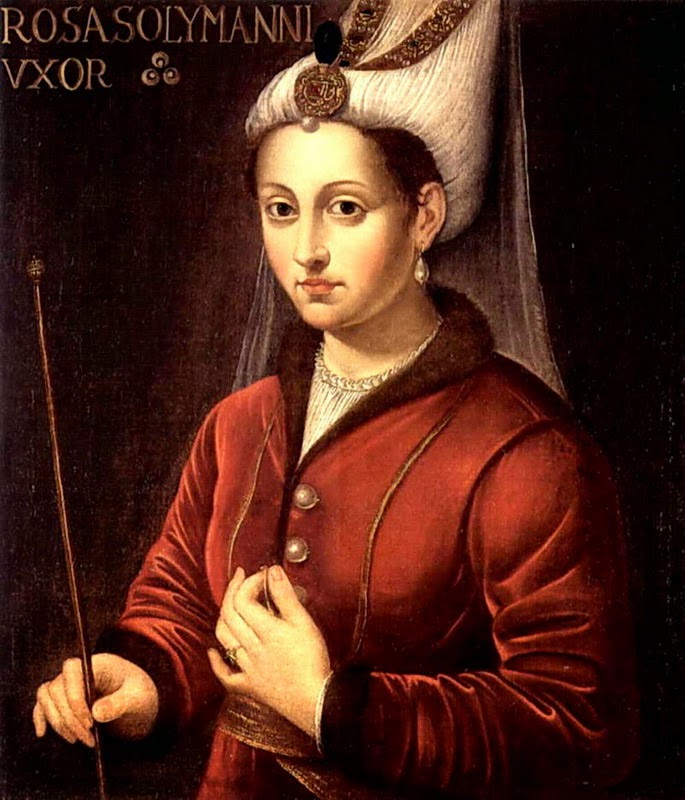
The Rise of Roxelana
Roxelana’s notoriety has lasted long after the end of her life. Despite her status as a female slave in a patriarchal society, she would go on to make her mark in politics, break traditions, and create an example for royal women in the future of the Ottoman Empire. She also founded many charitable foundations throughout Istanbul and beyond. Roxelana would gain the title Haseki Sultan of and become the wife of Sultan Suleiman the Magnificent. To many, Roxelana may be an unknown figure in history, but she has always been a person of interest to me. I had watched the first season of the Turkish drama, Magnificent Century, and was inspired to learn more. I have been very excited to create this post and hope to bring more awareness to Roxelana’s impact in Ottoman history and women’s history.
 Travel Through Time