American History · art history · history

Documenting History: The Story of the Civil War’s Forgotten Sketch Artists

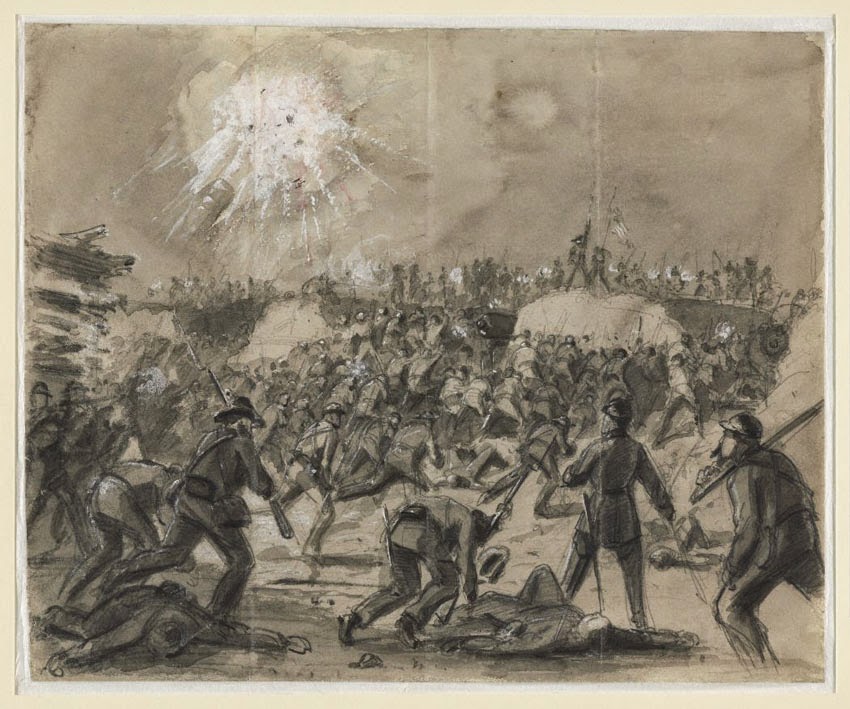
When you think of Civil War art the first thing that comes to mind is the photography, right? It was groundbreaking as it was a fairly new invention and was able to capture an exact representation of a moment in time. The photograph is so common today that it may actually surprise you that most contemporaries during the Civil War never saw any of these battlefield photographs as the technology did not exist to print and publish them on a wide scale. What the majority of contemporaries did see were beautiful sketches that documented the battles and happenings of the war in illustrated newspapers, such as: Harper’s Weekly, Frank Lesile’s Illustrated News, and the Illustrated London News. They were hired men who were known as the “Specials”; they were on-site pictorial war correspondents who traveled and actually lived amongst the troops (on both sides!). They faced all the same hardships as the traveling troops and were there in the heat of battle in order to do their work. Using pencils and paper they documented the war and the soldier’s life through their sketches in order for the people at home to have a chance to see what was going on. These sketches are some of the most valuable items from the Civil War. Photography was limited as it could not capture movement or the drama of the war, but the sketches could. As the artists sketched what they saw these could be some of the most accurate depictions (with maybe just a hint of embellishing at parts) and created scenes of human interest for the audience back home.

The image of war changed dramatically during the Civil War as the traditional “Heroic” imagery used in the past was changed to depict a more realistic (and more violent) image along with a stronger concentration on the common soldier rather than the commanders. Continue reading “Documenting History: The Story of the Civil War’s Forgotten Sketch Artists”
Ancient History · english history · history

Boudica’s Quest for Vengeance Part 2

Part 1! Boudica’s Quest for Vengeance Part 1

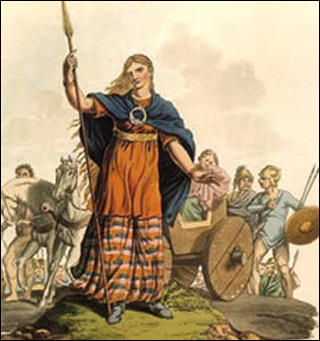
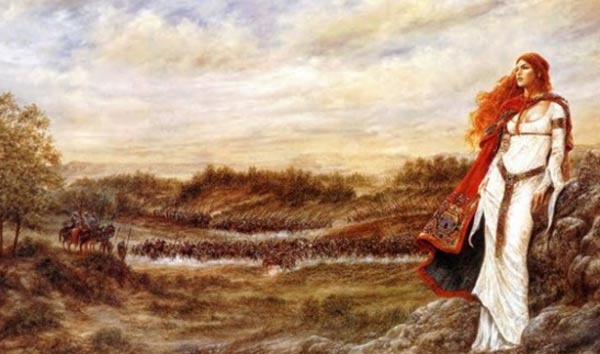
As seen in my previous post, Boudica had surpassed all expectations. She shocked the ancient world by inspiring an army of thousands of Britons to finally take back what had been theirs originally. They were fighting against the abuses her people had faced for seventeen years at the hands of the Romans. Boudica and her warriors had burnt the great city of Camulodunum to the ground and decimated the ninth legion. Fear spread quickly across the the land, but Governor Paulinus was not about to be defeated…

Boudica’s next target was Londinium (modern day London), which (at the time) was a relatively new city. It was created to be a trading port with the continent and was mostly populated by traders, craftsmen, and wealthy citizens. Londinium was estimated to have a population of about 30,000. This wealthy city was ripe for looting and, unfortunately for the citizens, there was no military presence (especially with the ninth legion now inoperable). The second legion was called in to fight, yet they failed to arrive. The people of Londinium knew that they were ill prepared. Continue reading “Boudica’s Quest for Vengeance Part 2”

Ancient History · english history · history

Boudica’s Quest for Vengeance Part 1

This is a post (well now posts) I have been looking forward to creating for a while. It is the story of Boudica, the warrior queen, who led her army of Britons on to fight against their Roman oppressors in 60 AD. Not much is known about her personally, yet her legend lives on through books, shows, statues, art, etc. The name Boudica is easiest to understand as a Celtic version of Victoria, this meaning Victory. There is speculation whether this was truly her name, or a title given to her. Before I begin her tale, we must discuss some background knowledge of Romanized Britannia that will give context to the story. Also, note that most of the primary sources historians use are Roman writings of the events and archaeological evidence. There are no written sources from the Britons themselves. Continue reading “Boudica’s Quest for Vengeance Part 1”

biography · english history · history

Elizabeth’s Journey to Queenship

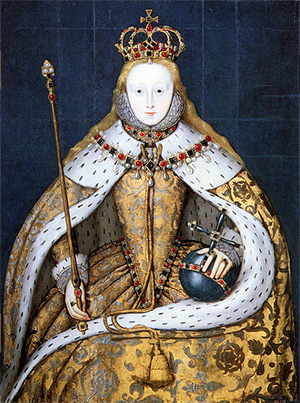
To the North, South, East, and West she was proclaimed Queen and to each proclamation an approval was received from the congregation. The moment she had waited for had come. She made a solemn oath in front of God to defend the Church, uphold the laws, and use justice and mercy in judgements. She knelt and accepted the anointing from the bishop of Carlisle. Slowly she stood up, taking in the moment, and went to the nearby pew to put on the robe of purple velvet and a mantle of gold. Though extremely nervous, she had to show strength in front of her people.

Sitting upon the chair of state before the high altar she was able to view the majesty of Westminster Abbey. So much history surrounded her; how many of her predecessors were crowned here as well? Would she be hated or loved as they all went through?

The ring representing England and her people was placed on her right hand, as if she was getting married. First, St. Edwards crown was placed on her head then removed. Next, the imperial crown was placed in the same position. At a full seven pounds she could barely lift her head to see the crowd, but she would not show weakness. A lighter crown was then replaced for the rest of the ceremony (did her mother once wear this crown as well?) and one by one the lords and bishops came up to give homage to her; Lords who may have opposed her just a few months ago. She stifled a laugh from the irony of this day; the daughter of the “Great Whore” had now become the sole Queen of England…… Continue reading “Elizabeth’s Journey to Queenship”

American History · biography · history

Ever Wonder what was on a Pirates Reading List? The Story of Blackbeard, the Queen Anne’s Revenge, and new Archaeological Evidence

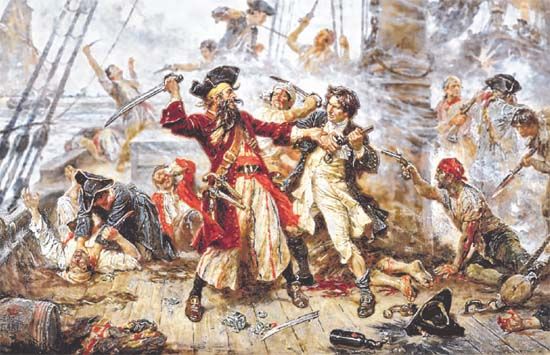
I always like to keep up on new archaeological information because amazing stories from history are found almost every day. Recently, preserved scraps of paper (about the size of a quarter) were found in the excavation of the shipwreck of Queen Anne’s Revenge. This is a very famous ship as it was the flagship of Blackbeard’s feared pirate fleet. But what is so important about these little pieces of paper?

Amazingly, the type is still legible though these scraps have been sitting in a shipwreck for 300 years. I would love to know more about how these items were preserved so well because paper and books are often the first to go after being submerged in water. From these small scraps of paper historians were able to match them to exactly what book they belonged to. This provides more insight on what pirates were reading (who knew they had their own personal reading lists!) and that, in fact, more seaman were literate than previously believed. Continue reading “Ever Wonder what was on a Pirates Reading List? The Story of Blackbeard, the Queen Anne’s Revenge, and new Archaeological Evidence”

American History · biography · european history · history

Happy 2018! Nonfiction Picks to Add to your Reading List!

Happy New Year everyone! I am very excited to begin anew in 2018 as 2017 was not the best year for me. Starting this blog has been important to me in order to keep my passion for history and writing in my life. A few of my 2018 resolutions include growing this blog, keeping on a once to week schedule, and just write daily whether it be creative writing, historical for the blog, or even just personal. I hope I will be able to stick to this commitment in the upcoming months.

Many New Years resolutions include reading more (my own personal is to read 40 books this year!) and I thought I could help fill in that reading list with some of my personal nonfiction picks! In no particular order here they are: Continue reading “Happy 2018! Nonfiction Picks to Add to your Reading List!”

english history · european history · history

The Story of the Christmas Tree

Merry Christmas Eve! I hope everyone’s Holiday Season has been amazing!

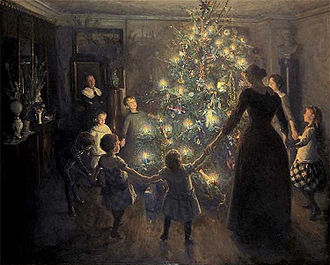
In this post I wanted to examine the tradition of the Christmas tree. Many believe that Victoria and Albert were the first to bring the Christmas tree to England, but (and this was new to me as well) it had already been an existing tradition for the royal family. The first known Christmas tree was actually set up in the Queen’s Lodge, which is located in Windsor castle, by Queen Charlotte Continue reading “The Story of the Christmas Tree”

european history · history

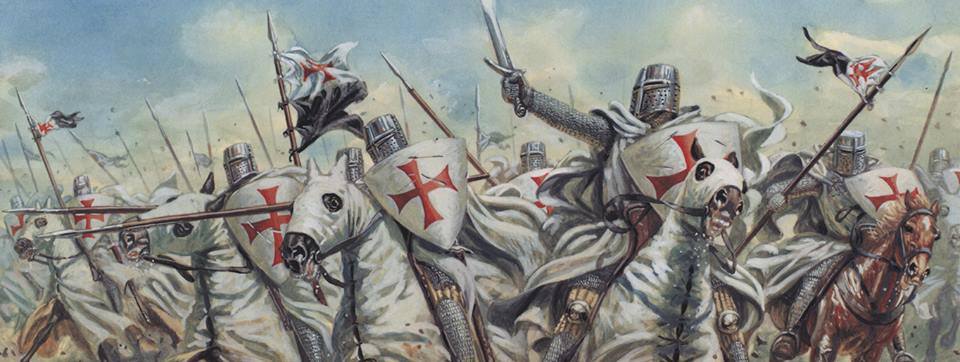
The Origin Story of the Knights Templar

The Templar have always caught the imagination of many due to the mythology that has been built up behind them. Did they know the location of the holy grail? Were they an evil/corrupt organization as portrayed in the Assassin Creed game franchise? Or were they noble holy warriors as portrayed in Knightfall (the new show from History)? I don’t know if any of the mythology behind the secret missions of the Templar is true, but their origins may surprise you.

When one thinks of the Knight’s Templar one would think of an extremely large organization with great wealth and power. One would imagine them as the most talented knights and also influential politicians. Yet, their origins are more humble than that. Originally, the purpose of the Templar was to protect Christian pilgrims on the long and perilous road to the holy land of Jerusalem. Continue reading “The Origin Story of the Knights Templar”

english history · history

The Royal Marriage Act of 1772

This week in history marks the anniversary of Edward VIII’s abdication of the English throne in favor of marrying the woman he loved, Wallis Simpson, which took place in 1936. Edward had met Simpson in 1931 and they became an item by 1934. This relationship caused a great scandal because Simpson was already married to Ernest Aldrich Simpson…her second husband. She was an American, she had already been divorced once, and was now planning to divorce again to marry Prince Edward. This was unacceptable at the time for a future royal, let alone the future queen. Society was very different then and divorce was not approved by the Church of England of which the monarchy is still the head of (thanks to Henry VIII…who ironically gained a divorce!). Since Edward was the eldest son of George V; he was subject to the Royal Marriages Act of 1772.

In 1772, George III created this act as a reaction to his brothers both marrying “commoners” which was some kind of disgrace to the crown (though maybe it was just because George III was jealous that he could not have married for choice). This act states that any descendant of George II could not marry without the currently reigning sovereigns consent. This consent had to be documented and any marriages that did not have this consent were considered null and void. Continue reading “The Royal Marriage Act of 1772”

Asian History · history

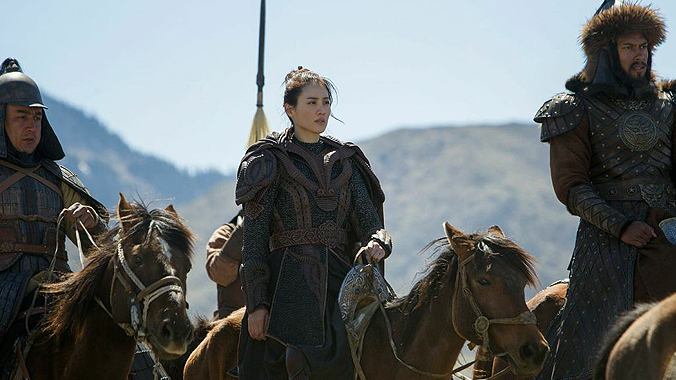
The Undefeated Khutulun

Today I wanted to spotlight a really awesome (yet, forgotten) woman from history. She was the great-great granddaughter of Genghis Khan, one of the most famous conquerors in history. Her father was Kaidu Khan and was descended from the third son of Genghis. She was born in 1260 and had fourteen male siblings. Her name was Khutulun meaning light of the moon.

Khutulun was a unique woman in the scope of world history. Her father raised her alongside her brothers where she became an expert horsewoman, learned the art of battle, and became a proficient wrestler. Mongol women in general lead a different lifestyle than Western woman. Mongol women were taught from a young age how to ride a horse proficiently (very important in a nomadic society) and taught to fight with a bow and arrow. The main weapon in a Mongol army was the bow and often women did fight alongside their men as cavalry archers. Most importantly, their fighting ability would be able to protect their homestead. Continue reading “The Undefeated Khutulun”